
About us

Research overview
See how our research will unfold in the coming years
-
Focus: Understand how children currently move through dental care systems
Question the project answers in this stage: What pathways currently exist and where are the gaps?
Activities:
National data gathering
Geographic mapping of services
Identifying inequalities in access
Selecting four care pathways for study
Outputs:
Visual pathway maps
Stakeholder engagement
Recruitment groundwork
-
Focus: Real-world evidence collection
Question the project answers in this stage: What actually happens to children, clinically, socially, economically?
Activities:
Recruiting 240 children across pathways
Tracking treatment journeys
Measuring quality of life
Recording costs and environmental footprint
Outputs:
Clinical outcome data
Family impact data
Carbon footprint metrics
-
Focus: Human stories behind the numbers
Question the project answers in this stage: How do these pathways feel for families and providers?
Activities:
Interviews with families
Interviews with clinicians
Experience mapping
Outputs:
Experience insights
Expectations and barriers
-
Focus: Long-term economic and environmental forecasting
Question the project answers in this stage: Which pathways deliver best value, financially and environmentally?
Activities:
Economic modelling
Carbon footprint modelling
Scenario testing
Outputs:
Cost-effectiveness models
Sustainability projections
-
Focus: Turning evidence into action
Question the project answers in this stage: What matters most and how should care change?
Activities:
Child and parent preference surveys
Stakeholder workshops
Co-designed recommendation
Outputs:
Policy-ready pathway guidance
Public-facing summaries
Dissemination events
-
Focus: Translating findings into practice
Activities:
Policy briefings
Community engagement
Professional dissemination
Goal: Better, fairer, more sustainable care for children with tooth decay
Our team

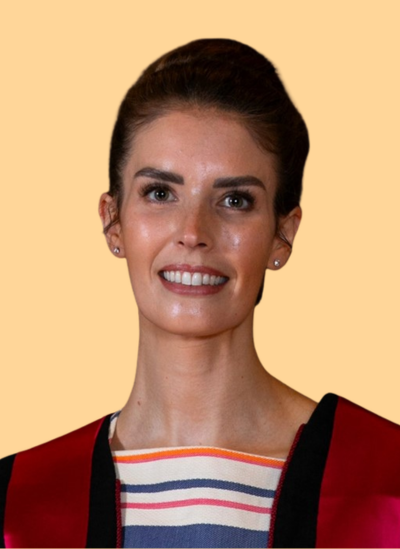
Lead researcher
Helen Rogers
Senior Clinical Lecturer in Paediatric Dentistry at Newcastle University School of Dental Sciences
Honorary Consultant in Paediatric Dentistry at Newcastle Dental Hospital
Research interests and expertise:
Dental caries and its impact on children’s oral health
Incorporating children’s preferences and oral health-related quality of life into economic evaluations, where we work out the value for money of new approaches and interventions
Actively involving children from all backgrounds in research, at all stages and in different ways
“I believe that every child should have equal opportunity to access care that will give them the best possible outcome. I have seen firsthand the current disparities that exist, and I’m passionate about addressing them.”
Publications: Helen Rogers ORCID

Steering Group

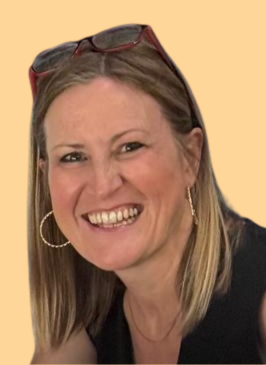

Michelle Thursby
Assistant Project Manager
“We’re working directly with children, parents and the public to ensure the research focuses on what truly matters
to meet their needs.”
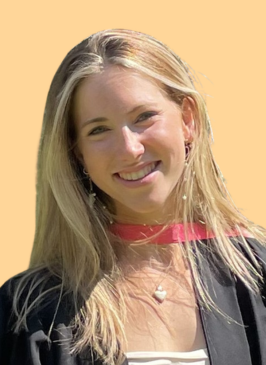
Neve Hattee
Investigator
“My time working in paediatric dentistry increased my awareness of the problems that exist. I’m keen to be a part of addressing these and improving access to care for patients.”
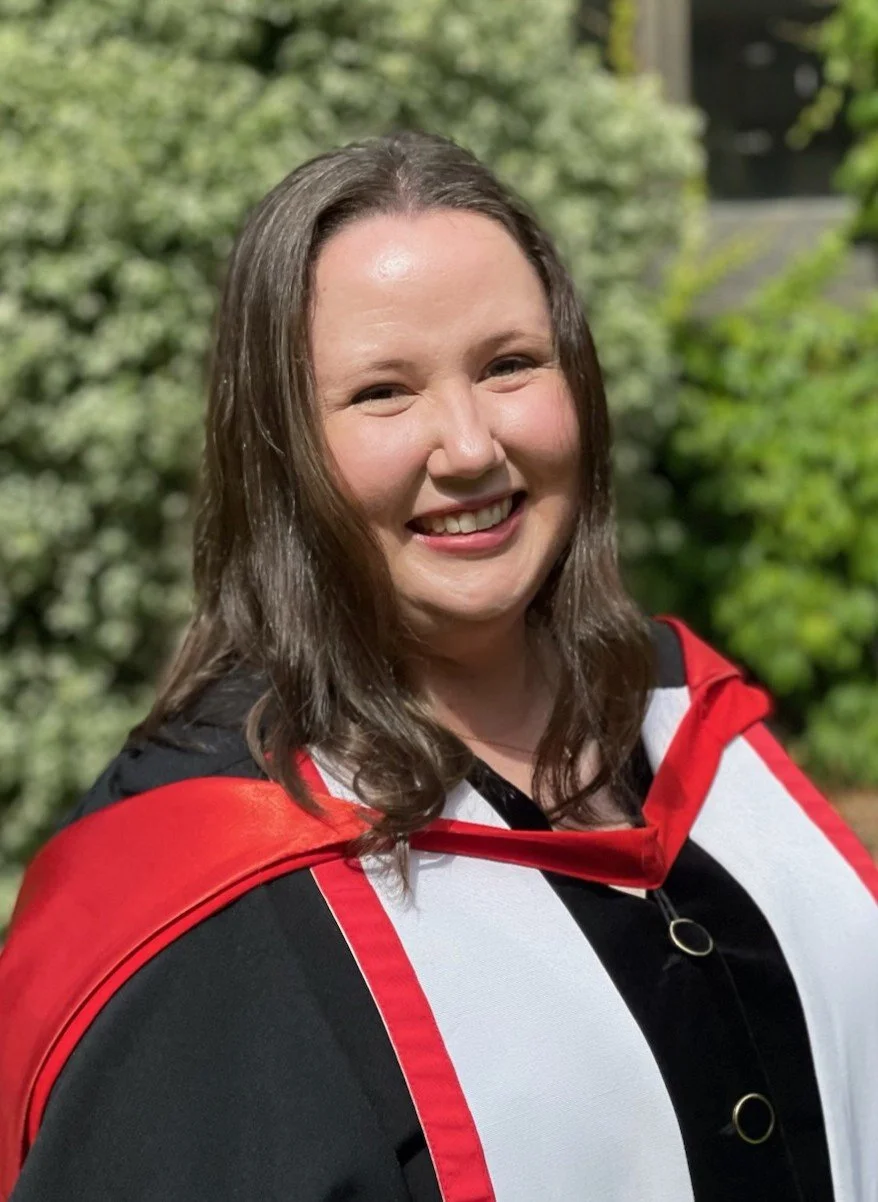
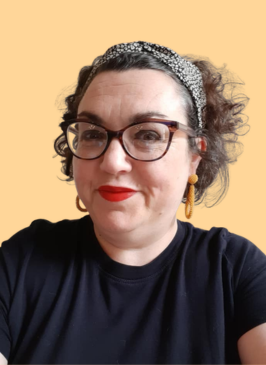
Katherine Carr
Research Associate
‘It’s critical we understand more about how children with dental decay are treated within the healthcare system so we can offer the best care to all children. I am grateful I can use my skills as a health economist to address this problem’.”
Janine Smith
Patient and Public Involvement Lead
“NECTAR could make a real difference to the dental care experienced by children and their families. I’m pleased to be able to use my experience to work with families and the advisory group to help shape this project.”
Steering Group: Research Oversight
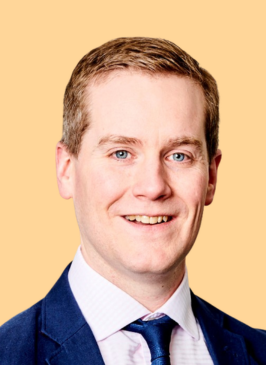
Chris Vernazza
Professor of Oral Health Services, Newcastle University
“In my clinical work, I see so many children and their families who are suffering because of their decay not being delay with quickly enough or in the best way. I know from my research background that we have the tools to help improve this and I’m so excited to be involved in a project which is doing this.”
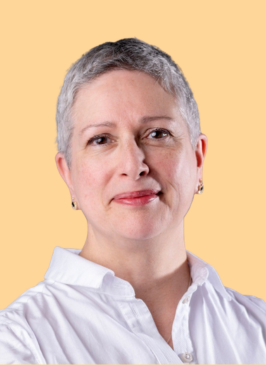
Nicola Innes
Professor of Paediatric Dentistry, University of Leeds
“I believe every child should have a fair chance at good oral health, regardless of their background, postcode or family circumstances.”
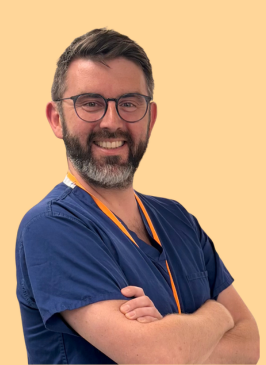
Cliff Shelton
Consultant and professor in anaesthesia and perioperative medicine, Lancaster University
“As a clinical academic, I help to link healthcare practice with academic research. My clinical specialty (anaesthesia) is involved with the provision of children's dental care, and my academic expertise in sustainability and health inequalities links to the aims of this work.”
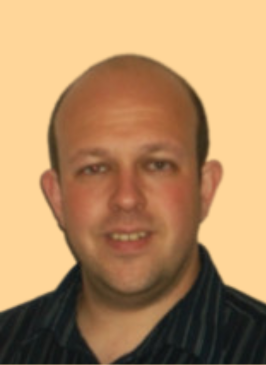
Dwayne Boyers
Senior Research Fellow, Health Economics Research Unit, University of Aberdeen
“Tooth decay places a huge health and financial burden on children and their families. I look forward to seeing the impact of this work on improving care pathways for children with tooth decay.”
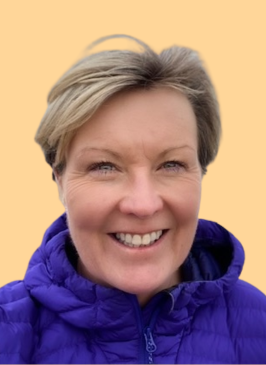
Catherine Exley
Professor and Dean of Population Health Sciences Institute, Newcastle University
“Tooth decay and pain affect too many children in the UK and we need to find the best ways to support them to limit the impact of this on them and their families.”
Collaborators
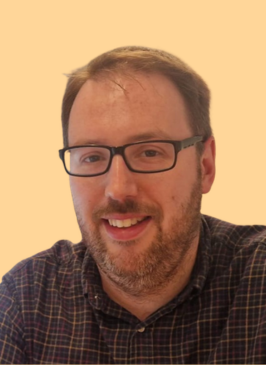
Tom Broomhead
Researcher in Clinical Dentistry, University of Sheffield
“I want to help reduce inequalities in tooth decay, and to be part of a project that uses data in a meaningful way to identify where care pathways can be improved for children.”
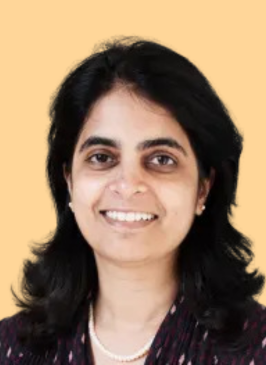
Sheena Ramsay
Professor of Public Health and Epidemiology, Newcastle University
“Tooth decay can be prevented early in life. It is important to find solutions that work for children and families who are most affected by the impacts of tooth decay.”
Advisory Group
Patients and public members
The Steering Group will be guided by an Advisory Group comprised of:
five young children with experience of dental caries and their parents/carers
two adult members of the public who may or may not have experienced dental caries
two members of the public
healthcare providers
public health/commissioning members